
Home / Understanding a Certificate of Analysis (COA)
Understanding a Certificate of Analysis (COA)
September 26, 2026
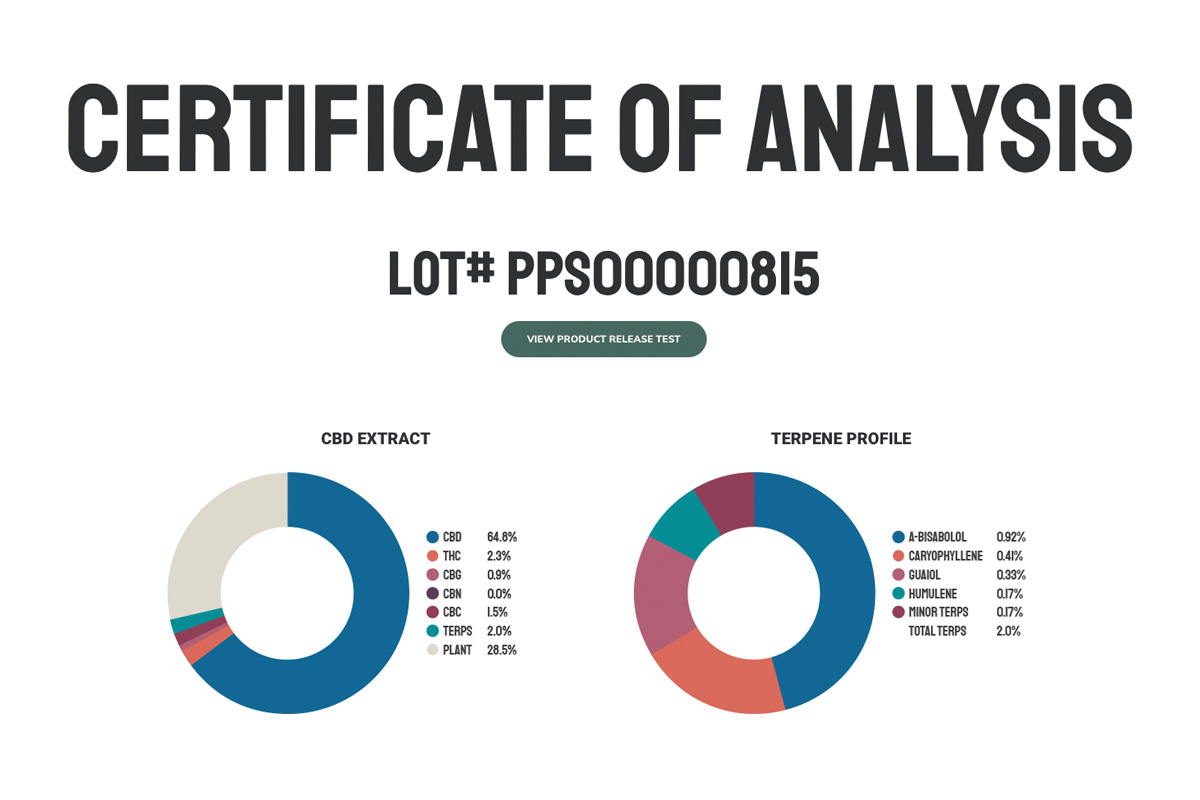
A Certificate of Analysis (COA) is a document issued by an independent testing laboratory confirming what is actually inside a given batch of research material — not just what the label claims.
What a COA typically shows
- Identity testing — confirms the compound is what it's labeled as, usually via mass spectrometry.
- Purity percentage — the proportion of the sample that is the target compound, versus impurities or degradation products.
- Concentration / labeled vs. measured content — compares the amount stated on the vial to what was actually measured in the lab.
- Microbial and endotoxin screening — checks for contamination introduced during synthesis or handling.
Why lot-specific testing matters
Purity can vary between manufacturing batches, which is why a COA is tied to a specific lot number rather than a product line in general. Reputable suppliers publish a COA for every batch they sell, not just a single representative sample.
Reading the lot number
Every vial should carry a lot number that matches a specific COA on file. Before relying on any batch for research work, confirm the lot number on the vial matches the document you're reviewing — a COA for a different lot tells you nothing about the vial in front of you.
All COAs for products sold on this site are available from the product page and our COA Library, generated by independent third-party laboratories.
This article is for general educational and research purposes only and is not medical advice. It has not been evaluated by the FDA and is not intended to diagnose, treat, cure, or prevent any disease. Products discussed are sold strictly for laboratory research use, not for human consumption. Consult a licensed physician before making any health decisions.
← Back to home